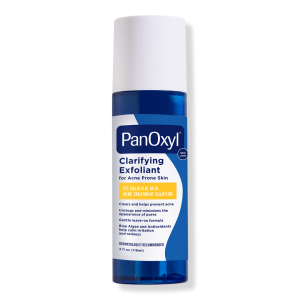
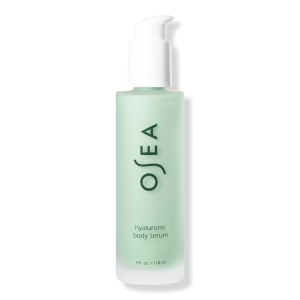
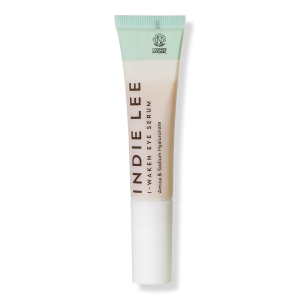
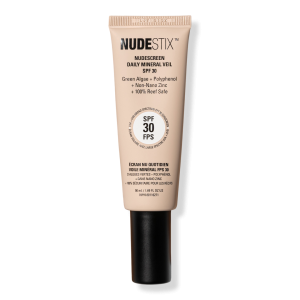
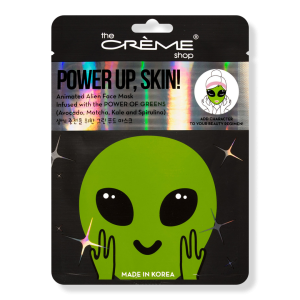
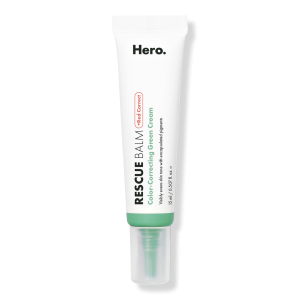
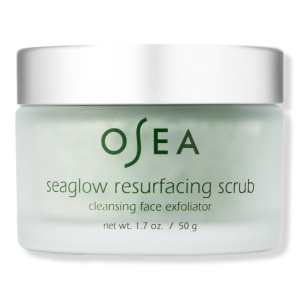
A material derived from blue-green algae of the Arthrospira genus, commonly called spirulina. It's used in skincare for its pigment and nutrient content, contributing to antioxidant support, light hydration, and an improved sensorial feel.
An algae-derived ingredient offering antioxidants and light hydration.
Category
Antioxidant, Skin Conditioning, Hydration
Type
Botanical Extract
Ingredient Ratings
Overall Rating
Fair
Comedogenic Risk
None
Skin Benefits
It offers antioxidant activity and light moisture for a more refreshed appearance; research in topical use is still limited. It can contribute to a healthier-looking glow without heaviness.
Uses In Skincare & Cosmetics
It's found in wash-off masks, hydrating serums, and creams, where it can also lend a natural bluish-green tint. Sometimes it's used in milky essences to round out nutrient-focused routines.
Comedogenic Rating
This ingredient is not typically evaluated for comedogenicity, and no standardized rating is available.
Safety
It carries generally low irritation potential, but patch testing is prudent for sensitive skin. Choose cosmetic-grade sources to minimize impurities, and stop use if any irritation or itching occurs.
Is Spirulina a Good Ingredient?
It rates Fair: it provides pigment-linked antioxidants and light hydration, but strong clinical data for topical outcomes are limited. As a natural material, there's also a small risk of irritation and quality-dependent variability.