
When it comes to anti-aging skincare, retinol has long been considered the gold standard. But in recent years, a plant-based alternative, bakuchiol, has gained popularity with promising results. Both ingredients claim to reduce wrinkles, fade dark spots, and improve skin texture. So how do they really compare?
Let’s dive into the science, benefits, and key considerations of Bakuchiol vs. Retinol, and help you decide which one is right for your skin.
This post may contain affiliate links. Read the full disclosure here
What Is Retinol?
Retinol is a derivative of vitamin A and belongs to the family of compounds called retinoids. It’s one of the most well-researched and proven skincare ingredients available. When applied to the skin, retinol converts into retinoic acid, the active form that binds to receptors in the skin and stimulates cell regeneration.
By speeding up the skin’s natural turnover process, it helps slough off dead skin cells revealing smoother softer skin.
Retinol Benefits:
- Boosts cell turnover and collagen production
- Stimulates fibroblasts (which support skin structure)
- Helps reduce acne by unclogging pores
- Fades hyperpigmentation and smooths fine lines
- Improves skin texture
Types of Retinoids:
- Over-the-counter (OTC): Retinol, Retinyl Palmitate, Retinaldehyde
- Prescription-strength: Tretinoin, Adapalene, Tazarotene
Each type differs in strength and how quickly it works, but all ultimately lead to the same active form in the skin: retinoic acid.
Retinol can deliver impressive results, but it often comes with side effects, especially for sensitive or dry skin. These side effects can include dryness, redness, peeling, and increased sun sensitivity.
What Is Bakuchiol?
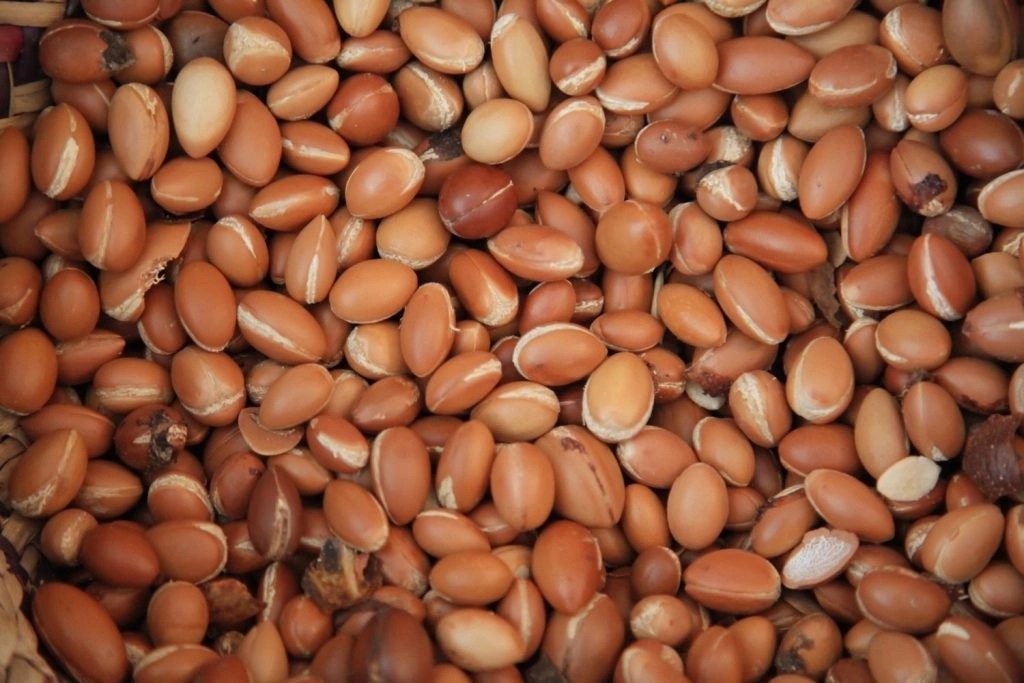
Bakuchiol is a plant-derived compound extracted from the seeds and leaves of the Psoralea corylifolia plant, commonly known as the Babchi plant. Although it is not chemically related to retinol, bakuchiol has gained attention in skincare for its ability to mimic many of the same benefits, making it a popular natural alternative.
How Bakuchiol Works
Bakuchiol influences similar cellular pathways as retinol, encouraging collagen production, enhancing cell turnover, and improving skin tone. Unlike retinol, bakuchiol does not convert into retinoic acid. But similar to retinol, it activates gene expression in the skin that leads to anti-aging and antioxidant effects, with much less risk of irritation.
Proven Benefits of Bakuchiol
- Reduces the appearance of fine lines and wrinkles by stimulating collagen production
- Improves skin firmness and elasticity
- Brightens skin tone by fading hyperpigmentation and evening out discoloration
- Soothes inflammation due to its antioxidant and anti-inflammatory properties
- Helps with acne-prone skin by reducing bacterial growth and calming irritation
Several clinical studies have shown that bakuchiol can provide results comparable to retinol in reducing signs of aging, but with significantly fewer side effects.
Bakuchiol vs. Retinol: Side-by-Side Comparison
| Feature | Retinol | Bakuchiol |
|---|---|---|
| Origin | Synthetic or animal-derived vitamin A | Plant-based (Babchi plant) |
| Mechanism | Increases cell turnover, collagen stimulation | Similar gene expression without irritation |
| Anti-aging | Strong evidence for reducing wrinkles | Clinical support for wrinkle reduction |
| Hyperpigmentation | Effective at fading dark spots | Also shown to reduce pigmentation |
| Acne treatment | Clears pores, reduces breakouts | Mildly antibacterial and anti-inflammatory |
| Side effects | Dryness, peeling, redness, photosensitivity | Minimal to none |
| Pregnancy safe | Not recommended | Generally considered safe |
| Best for | Normal, oily, acne-prone, photoaged skin | Sensitive, dry, pregnant, or rosacea-prone skin |
Unique Benefits of Retinol
- Proven Performance: Retinol has decades of research backing its anti-aging and acne-fighting abilities.
- Multiple Potencies: Available in both OTC and prescription strengths for customizable results.
- Fast Results: Improvement in fine lines and texture can show in as little as 4–6 weeks.
Considerations:
Retinol is powerful, but it is also known for causing side effects such as dryness, redness, peeling, and sensitivity, especially during the first few weeks of use. These effects are commonly referred to as “retinization” and are part of the skin’s adjustment process.
- Can cause irritation, especially when first introduced
- Should be used with caution in combination with exfoliants or acids
- Requires consistent use and sun protection
For best results:
- Start with a lower concentration (such as 0.25% or 0.5%) and gradually increase
- Use it at night, since retinol can make the skin more sensitive to sunlight
- Always wear sunscreen during the day when using retinol
- Pair with hydrating and barrier-repairing ingredients like hyaluronic acid, ceramides, and niacinamide
Unique Benefits of Bakuchiol
Bakuchiol is particularly appealing for individuals with sensitive skin or those who cannot tolerate retinol. It is also considered safe for use during pregnancy and breastfeeding, which is not the case for traditional retinoids.
Other reasons people choose bakuchiol:
- Can be used both morning and night
- Does not cause photosensitivity, so sun exposure is less of a concern
- Pairs well with other active ingredients like peptides, hyaluronic acid, and niacinamide
Considerations When Using Bakuchiol
Although bakuchiol is gentle, it may not deliver results as quickly or as dramatically as high-strength retinol. Consistent use is still necessary to see noticeable improvements in skin tone and texture.
Look for bakuchiol products that:
- Contain 0.5% to 2% bakuchiol for optimal effectiveness
- Are formulated with hydrating or barrier-supportive ingredients
- Clearly state bakuchiol content, since some products use very low amounts that may not be effective
Best for Each Skin Type
Oily / Acne-Prone Skin:
Retinol is often the better choice due to its pore-clearing and anti-inflammatory properties. It can reduce both acne and acne scars over time.
- Unclogs pores by speeding up skin cell turnover
- Reduces oil production over time, helping to minimize shine and congestion
- Clears acne lesions and helps prevent future breakouts
- Fades acne scars and post-inflammatory hyperpigmentation
Retinol is backed by decades of clinical use in treating both teenage and adult acne. Even prescription-strength retinoids like tretinoin or adapalene are first-line treatments for moderate to severe acne
Dry or Sensitive Skin:
Bakuchiol offers a gentler route to anti-aging without the flaking or dryness that can accompany retinol.
- Non-irritating: Unlike retinol, bakuchiol does not cause redness, flaking, or a compromised skin barrier.
- Moisturizing-friendly: It works well in hydrating formulas and won’t strip the skin of essential moisture.
- No photosensitivity: Can be used during the day without increasing sun sensitivity.
- Anti-inflammatory: Calms redness and soothes the skin, making it a great fit for rosacea-prone or easily reactive skin.
Bakuchiol is particularly useful for people who have:
- Eczema or rosacea
- Sensitivity to common actives (like AHAs, BHAs, or vitamin C)
- Trouble adjusting to even low-strength retinol
If you want to use retinol, you can still do so carefully:
- Start with a very low concentration (like 0.25% or encapsulated retinol)
- Use it only once or twice a week to begin with
- Buffer it by applying moisturizer before and/or after
- Pair with barrier-repairing ingredients like ceramides, squalane, or niacinamide
However, even with these precautions, some users may still experience irritation.
Combination Skin:
A low-strength retinol or a combination product with both retinol and bakuchiol may deliver balanced results.
Pregnant or Breastfeeding:
Bakuchiol is the clear winner here. Retinoids are contraindicated during pregnancy due to risk of birth defects.
Final Thoughts: Should You Switch to Bakuchiol?
Bakuchiol isn’t just hype—it’s a solid option backed by promising clinical studies. But if your skin tolerates retinol well and you’re targeting deep wrinkles or stubborn acne, retinol remains the stronger, faster-acting choice.
For many, the ideal routine could include both: using retinol 2–3 times a week and bakuchiol on alternate days to support skin renewal without overwhelming it.
Pro Tip:
Always pair either ingredient with moisturizer and SPF. Healthy skin barrier support and sun protection are key to seeing real, long-term results.