Snapshot
- Overview
- Retinol is a vitamin A form that smooths lines and evens out skin tone.
- Category
- Anti-aging, Acne, Tone/Texture, Hyperpigmentation
- Type
- Exfoliant
Our take
What it does
Where you'll find it
Before you use it
Learn more
No, retinol is a fatty alcohol form of vitamin A. While technically an alcohol, it’s not the drying, evaporating kind (like SD Alcohol or Denatured Alcohol) that “alcohol-free” claims are about. Products that contain retinol can still be labeled alcohol-free.
Many people with sensitive skin can tolerate retinol, but it’s worth starting at a low concentration (around 0.01% to 0.03%). Start using it 1 night a week followed by your favorite moisturizer. If you have active rosacea or eczema, check with a dermatologist first.
This post may contain affiliate links. Read the full disclosure here
Most retinol used in skincare is synthetic and vegan. Some retinyl esters (like retinyl palmitate) can be derived from animal or plant sources depending on the manufacturer, so check with the brand if this matters to you.
See our favorite cruelty-free and vegan retinols here.
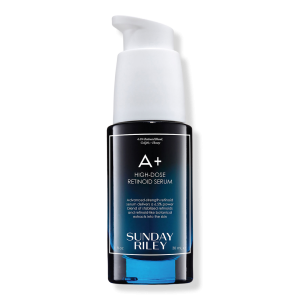
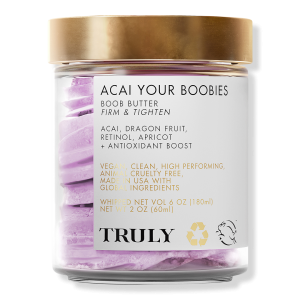
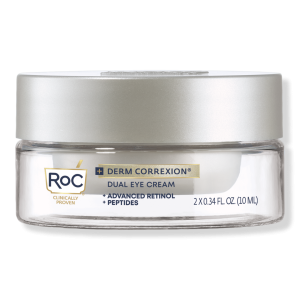
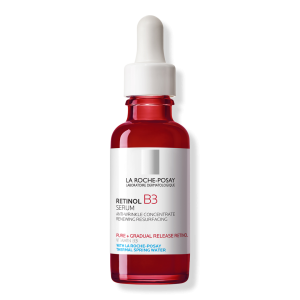
Retinol breaks down when it’s exposed to light and air, so it loses potency faster in clear jars or bottles. Opaque, airless-pump packaging protects the formula and helps it stay effective longer.
Retinol is weaker and available over-the-counter. Retinol needs to convert through an extra step (to retinaldehyde, then retinoic acid) before it’s active, which makes it gentler but slower-acting. Tretinoin is already in the active retinoic acid form, so it works faster but it can cause more irritation.