Amaranthus caudatus (amaranth) seed oil is a plant-derived lipid obtained by pressing or solvent-extracting the seeds. It provides emolliency, lightweight slip, and better conditioning and barrier feel in skincare and haircare.
Amaranth seed oil that softens dry skin and eases tightness.
Category
Skin Conditioning, Barrier Support, Hydration
Type
Emollient
Ratings
Overall Rating
Good
Comedogenic Risk
Low
Very low likelihood of clogging pores.
Our take
Is Amaranthus Caudatus (Amaranth) Seed Oil a Good Ingredient?
Lightweight emollient with a linoleic-rich profile and naturally occurring squalene that cushions skin and supports barrier feel. Rated Good because it reliably improves slip and softness with supportive composition data, though strong clinical evidence for unique effects is limited.
What it does
Skin Benefits
Softens and comforts dry skin while promoting a silky finish. Can help reduce the feeling of tightness by supporting moisture retention.
Where you'll find it
Uses in Skincare & Cosmetics
Often included in facial oils, serums, and moisturizers for a lightweight, nurturing touch. Also found in hair conditioners and leave-ins to add slip and softness.
Before you use it
Safety
Usually well tolerated, but plant oils can cause irritation or allergy in sensitized individuals. As an unsaturated oil it can oxidize, so fresh, well-stabilized formulas are preferable to minimize potential irritation from oxidation byproducts.
Learn more
Amaranth Seed Oil Composition
Amaranth seed oil is made up of a lot of vitamins, minerals, fatty acids, flavonoids, and components. The vitamins include the following ascorbic acid, riboflavin, folate, niacin, thiamin, vitamin A, pantothenic acid, vitamin. B, vitamin B-6, vitamin E, choline, betaine, and lutein. In other words, amaranth seed oil has a well-rounded ingredient profile.
Minerals include the following amaranth calcium copper, magnesium, magnesium phosphorus, potassium, sodium zinc, and selenium.
Flavonoids in the seeds include flavonoids quercetin, nicotiorin, myricetin, rutin, phenolic acids, ferulic acid, gallic acid, caffeic acid, coumaric acid, chlorogenic acid, epigallocatechin, and anthocyanins.
Components of amaranth include the following arginine, phenylalanine, histidine isoleucine, lysine, methionine, valine, leucine, tryptophan, and threonine. One of the most essential parts of the amaranth plant is a lipid, also known as fat, called squalene. It is found in the plant.
Amaranth Seed Oil Squalene
The amaranth seed oil has the greatest amount of squalene. This lipid (fat) is made naturally in the liver. It helps the body keep the skin and tissues moist and lubricated and protects the body from environmental toxins. For this reason, you’ll find products listed as amaranth squalane since it’s a natural source of squalene.
If you’re curious, you can learn more about the differences of squalane and squalene here.
Where Does Squalene Come From?
Amaranth has the greatest squalene levels of all plant sources. It even has up to eight times as much as shark liver oil. Which is known to have high concentrates of squalene in their liver. It is secreted by the sebaceous glands that are connected to hair follicles on the body. A person can have up to 6,000 sebaceous glands.
Squalene is a natural form of skin protection. It also helps some of the internal organs such as the liver and small intestine by increasing the fat metabolism in the body.
Squalene is popular in cosmetics and skincare products. In the past few years, it has been an ingredient focus in many popular products.
How is Squalene Made?
Squalene oil is usually extracted by mechanical pressure devices or organic solvents. However, each extracted method still requires the oil to be refined to eliminate unwanted pigments, compounds, phospholipids, and free fatty acids,
The mechanical pressure extraction method generates little modifications of the compounds when compared with other extraction processes.
The squalene oil is ejected by either the conventional technique of mechanical pressing or a modern method of solvent removal. The best type of extraction is cold mechanical pressing (cold-pressed), which preserves the phytonutrients, which ensures that all the oil has the ideal amount of squalene and Vitamin E and some of the beneficial fats.
If you’re looking for great (naturally-sourced) products rich in squalane, check out Biossance. They have built their entire brand and most of their products around this promising ingredient. You may also enjoy our review of the Biossance Squalane + Phyto-Retinol Serum, it’s one of their most popular products.
Amaranth Squalene Benefits
Amaranth-based squalene offers a wide range of skin benefits. It can help replenish dry or damaged skin, help reduce the appearance of fine lines and wrinkles, and improve texture and tone.
Anti Aging – It can fight signs of aging by reducing the appearance of fine lines and wrinkles. It replenishes dry skin for a youthful, plump complexion.
Hydration – Amaranth squalene can deeply hydrate the skin without excess oiliness.
Even Tone & Texture – It can visibly improve skin tone and texture for radiant, glowing skin.
What Makes Amaranth Seed Oil Special?
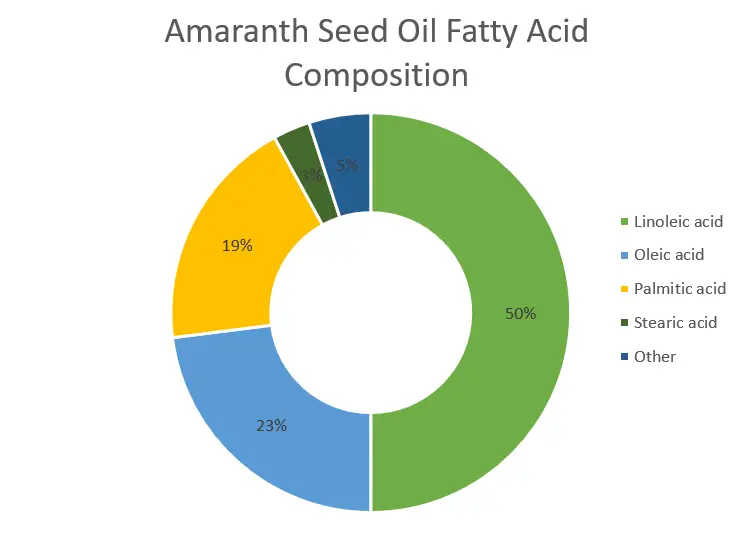
Amaranth seed oil is rich in Vitamin E and fatty acids making it a great ingredient for dry, damaged, and mature skin. This oil can help replenish hydration, fight off free radicals, and soften and smooth skin for a youthful complexion.
Anti-Aging
It can help rejuvenate tired skin. Our natural production of squalene diminishes as we age. This squalene-rich skincare ingredient can help replenish hydration and skin-loving nutrients for glowing skin.
It can also help reduce the appearance of fine lines and wrinkles. Hydrated skin can also help prevent future wrinkles!
Hydrate
Amaranth seed oil deeply hydrates skin without excess oiliness or leaving a greasy residue. It’s a great option to replenish dry or damaged skin.
Fight Free Radicals
It is rich in antioxidants that help fight off skin stressors and damage caused by the sun’s harmful UV rays. This can help slow down premature aging.
Anti-Inflammatory
It has anti-inflammatory properties that can help soothe and calm unhappy skin. Many believe it can beneficial for those who struggle with skin conditions such as psoriasis and dermatitis.
Smooth and Soften Skin
Enjoy smoother and softer skin with daily use. Amaranth seed oil absorbs quickly into the skin without leaving it feeling greasy or oily.
Top Skincare Uses?
You’ll find amaranth seed oil included in various anti-aging and moisturizing skin products but it can also be found in its pure form. That’s right, you can buy 100% pure, cold-pressed amaranth seed oil.
It’s in creams, serums, and gel-based skin care products for all the benefits noted above. By itself, it acts as a rich, replenishing face oil.
Amaranth seed oil also makes for a great natural makeup remover. Place a few drops of the amaranth seed oil on your fingertip to remove makeup, use a cotton ball to wipe the makeup off. Then leave the remaining oil on your face as a moisturizer always be careful around your eyes as you would be with any type of cleaner.
It’s also great for the hair! For shiny hair, massage a few drops of the oil into your scalp and hair and wrap it in a towel for 20 to 30 minutes, then shampoo it out, and you’re left with a beautiful shiny head of hair.
Products with Amaranthus Caudatus (Amaranth) Seed Oil