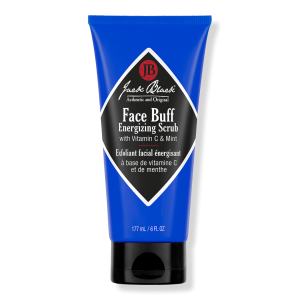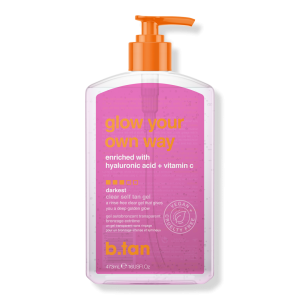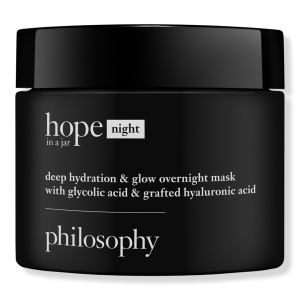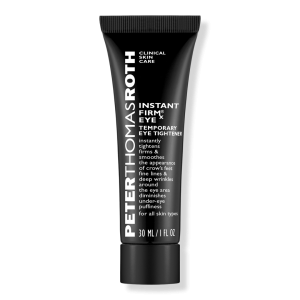
Snapshot
- Overview
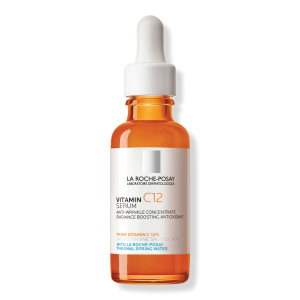
- Pure vitamin C that brightens dull spots and firms skin's look.
- Category
- Antioxidant, Brightening, Hyperpigmentation, Anti-aging, Tone/Texture
- Type
- Antioxidant
Our take
What it does
Where you'll find it
Before you use it
Learn more
That’s oxidation. Ascorbic acid breaks down when it’s exposed to light, air, and heat, and the color change is a visible sign that it’s losing potency. Store vitamin C in a cool, dark place, keep the cap on tight, and replace if you see the color change.
No. Research on L-ascorbic acid suggests the benefit peaks around 20% concentration. Above that, you’re adding irritation risk without added benefit. In this case, a higher concentration isn’t always better.
This post may contain affiliate links. Read the full disclosure here
Yes. This is an old myth based on lab conditions (high heat, extended exposure) that don’t happen on skin at room temperature. These ingredients can be used together without any issues.
Vitamin C and retinol can be used together, but many people split them into separate routines (vitamin C in the morning, retinol at night) since they work best at different pH levels. Copper peptides can also be used in the same routine but at different times. Copper accelerates vitamin C’s oxidation, so using one in the morning and the other at night protects improves efficacy.
No. Ascorbic acid (L-ascorbic acid) is the form with the most clinical research behind it. But many products use gentler derivatives like magnesium ascorbyl phosphate, sodium ascorbyl phosphate, or ascorbyl glucoside. These are more stable and less irritating but have less supporting evidence on effectiveness. Learn more about the different types of vitamin C here.