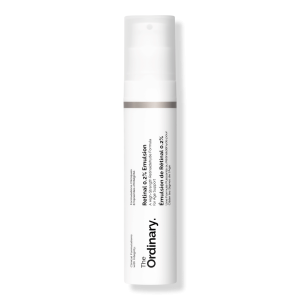
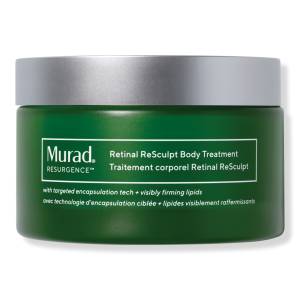
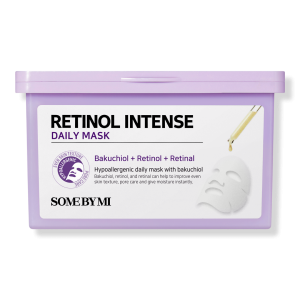
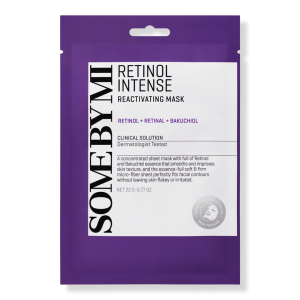
Retinal, also called retinaldehyde, is a vitamin A derivative used in topical formulations. It's chosen to refine the look of texture and tone, support smoother-looking skin, and address visible dullness in advanced nighttime routines.
A potent vitamin A form that smooths texture and fades dark spots.
Category
Anti-aging, Acne, Tone/Texture, Hyperpigmentation
Type
Exfoliant
Ratings
Overall Rating
Good
Comedogenic Risk
None
Not typically evaluated for comedogenicity — no standardized rating available.
Our take
Is Retinal a Good Ingredient?
Good, because it has stronger evidence than retinol for visible skin renewal at relatively low doses, which is a real advantage. It doesn't reach Great mainly because it can still be irritating, increases sun sensitivity, and needs careful formulation and packaging to stay stable.
What it does
Skin Benefits
Promotes a smoother, clearer-looking complexion by targeting roughness and visible discoloration, and may reduce the look of breakouts and pores with consistent nighttime use.
Where you'll find it
Uses in Skincare & Cosmetics
Frequently formulated in night serums and creams, including encapsulated treatments and eye products designed for gradual resurfacing.
Before you use it
Safety
May cause dryness, redness, or peeling, and it's photosensitizing, so introduce it gradually and use daily sunscreen. Commonly advised to avoid during pregnancy and breastfeeding; consult a professional if unsure.