A citrus-derived bioflavonoid isolated from fruit peels and membranes for cosmetic use. It's used as an antioxidant and tone-supporting adjunct that complements brightening blends and helps stabilize multi-active formulas.
A citrus flavonoid that supports antioxidant defense and evens tone.
Category
Antioxidant, Skin Conditioning, Brightening
Type
Antioxidant
Ratings
Overall Rating
Good
Comedogenic Risk
None
Not typically evaluated for comedogenicity — no standardized rating available.
Our take
Is Hesperidin a Good Ingredient?
It's Good because research supports it as an antioxidant and a helpful tone improver, especially in blends with other actives. On its own, though, brightening effects are modest and not definitive, which is what keeps it from Great.
What it does
Skin Benefits
Diminishes the look of dullness and supports a more even-looking tone when combined with complementary actives. Provides antioxidant defense that can improve formula resilience.
Where you'll find it
Uses in Skincare & Cosmetics
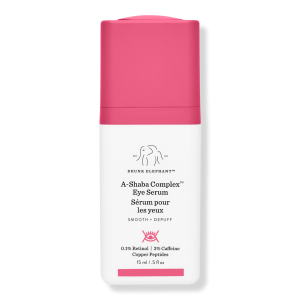
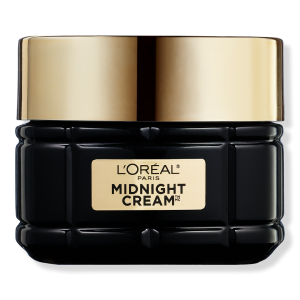
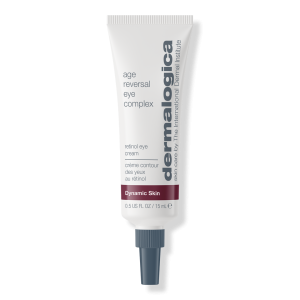
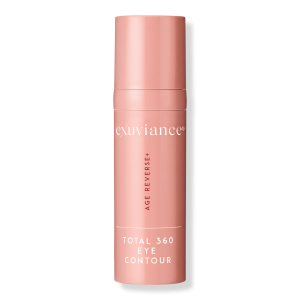
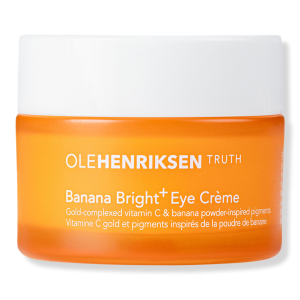
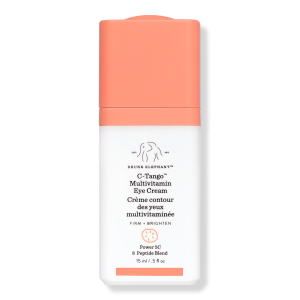
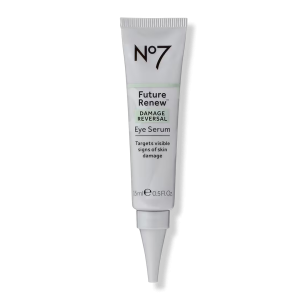
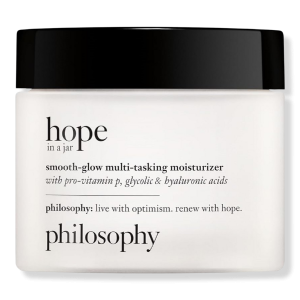
Used in brightening serums, eye creams, and moisturizers as a supporting antioxidant, often alongside vitamin C or niacinamide.
Before you use it
Safety
Usually low irritation risk at cosmetic levels, though citrus-derived actives can bother sensitive skin. Patch test if prone to reactivity.