Arbutin

Updated Reviewed by

Arbutin is a glycosylated derivative of hydroquinone found in plants like bearberry. Brightening formulas use it for a more even-looking complexion, though its effectiveness varies by concentration, type, and product design.
Like this ingredient?

Snapshot

Overview
Fades dark spots and evens out tone, though results vary.
Category
Brightening, Hyperpigmentation, Antioxidant
Type
Skin Conditioning

Ratings

Overall Rating

Fair

Comedogenic Risk

Not rated

Not typically evaluated for comedogenicity — no standardized rating available.

Arbutin in our database

Calculated from the 1,109 products we track · updated November 2026.

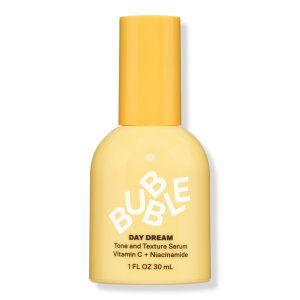
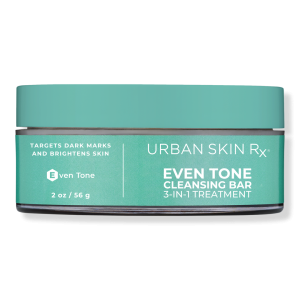
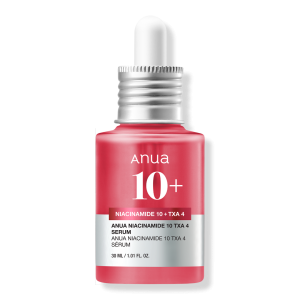
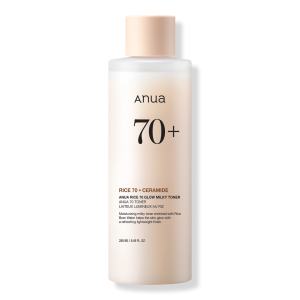
5 products contain it Under 1% of the 1,109 products we track, so it's a less common pick.
#8 typical spot on the label Usually near the top. Labels list ingredients from most to least, so it's often used in a meaningful amount.
$4–$22 price range Mostly found in budget-friendly products.

Most common in

Often paired with

Is Arbutin a Good Ingredient?

Rated Fair as brightening outcomes are variable and depend on concentration and formulation, with less consistent clinical support than leading alternatives. It can provoke irritation in sensitive skin and may be slower to show effects.

Skin Benefits

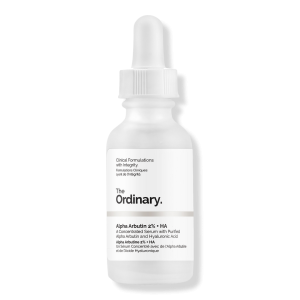
Helps diminish the look of dark spots and uneven tone for a brighter-looking complexion. Evidence is mixed and results can vary with concentration and formulation.

Uses in Skincare & Cosmetics

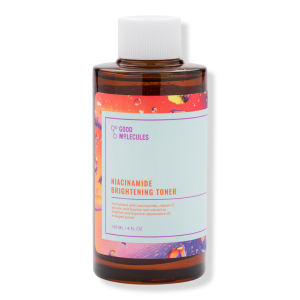
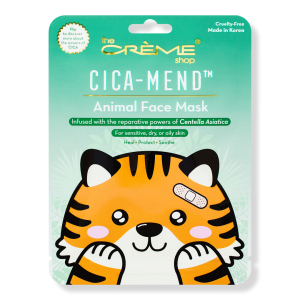
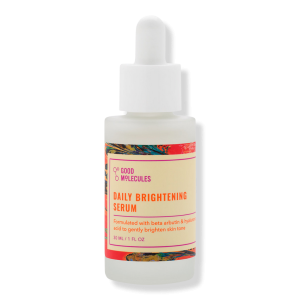
Featured in brightening serums, toners, and essences targeting spot-prone areas. Often included in masks or layered routines alongside niacinamide or vitamin C derivatives.

Safety

Usually tolerated in cosmetics, but irritation or dryness can occur, especially at higher strengths or when layered with other actives; patch test and introduce gradually. Those with very sensitive or compromised skin barriers should proceed cautiously.