Adenosine

Updated Reviewed by

Adenosine is a biotechnology-derived nucleoside used in cosmetic formulations. It's added to improve formula feel and support smoother, more supple-looking skin in leave-on products like serums, creams, and eye treatments.
Like this ingredient?

Snapshot

Overview
Helps smooth the look of fine lines and calms stressed-looking skin.
Category
Anti-aging, Skin Conditioning, Soothing
Type
Skin Conditioning

Ratings

Overall Rating

Good

Comedogenic Risk

Not rated

Not typically evaluated for comedogenicity — no standardized rating available.

Adenosine in our database

Calculated from the 1,109 products we track · updated November 2026.

107 products contain it About 1 in 10 of the 1,109 products we track.
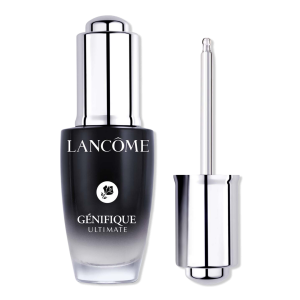
#20 typical spot on the label Usually further down the list, which typically means a smaller, supporting amount.
$3–$180 price range It shows up at every price point. You don't need to pay more to get it.

Most common in

Often paired with

Is Adenosine a Good Ingredient?

Supported by small clinical studies for softening the look of fine lines and improving skin smoothness, and it is typically well tolerated. That modest but real clinical backing, plus its stability across a practical pH range, is what earns it a Good rating rather than Fair or Great.
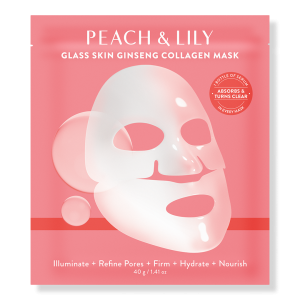
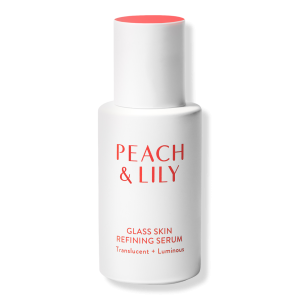
Skin Benefits

Helps soften the look of fine lines and improves the feel of skin firmness. Can also help calm the appearance of stressed, irritated skin.

Uses in Skincare & Cosmetics

Commonly included in daily serums, moisturizers, and eye creams for a smoother finish. Frequently used in lightweight essences for layering in skincare routines.

Safety

Usually low irritation; occasional sensitivity is possible in very reactive skin. No specific regulatory restrictions are commonly noted at typical cosmetic levels.