4-t-butylcyclohexanol

Updated Reviewed by

This oil-soluble cycloaliphatic alcohol serves as a solvent and sensory modulator in personal care. It's favored in sensitive-skin products to ease the perception of stinging and discomfort during use, though the research behind it is limited.
Like this ingredient?

Snapshot

Overview
Helps ease stinging or discomfort in products made for sensitive skin.
Category
Sensitive Skin, Soothing
Type
Skin Conditioning

Ratings

Overall Rating

Fair

Comedogenic Risk

Not rated

Not typically evaluated for comedogenicity — no standardized rating available.

4-t-butylcyclohexanol in our database

Calculated from the 1,109 products we track · updated November 2026.

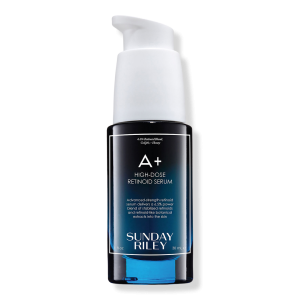
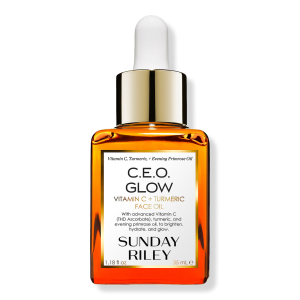
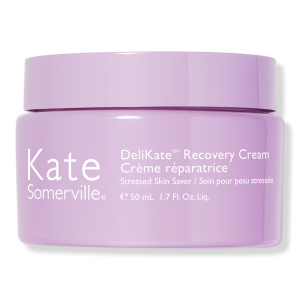
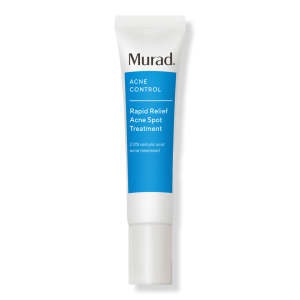
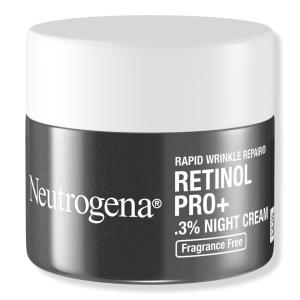
9 products contain it Under 1% of the 1,109 products we track, so it's a less common pick.
#18 typical spot on the label Usually further down the list, which typically means a smaller, supporting amount.
$7–$85 price range It shows up at every price point. You don't need to pay more to get it.

Most common in

Often paired with

Is 4-t-butylcyclohexanol a Good Ingredient?

This rates Fair: It may reduce stinging sensations by modulating sensory receptors, yet supporting evidence is limited and benefits can be subtle. Suits sensitive-skin formulas but expectations should remain moderate.

Skin Benefits

Helps ease sensations like tingling or heat on application, improving skin comfort. Data is still developing, so results can vary.

Uses in Skincare & Cosmetics

Used in calming serums, lightweight moisturizers, and toners to make formulas feel gentler. Often included in leave-on treatments designed for easily upset skin.

Safety

Typically well tolerated at cosmetic use levels with a low irritation profile. As with any new leave-on ingredient, patch testing is prudent for very reactive skin. No widely recognized regulatory restrictions at standard concentrations.