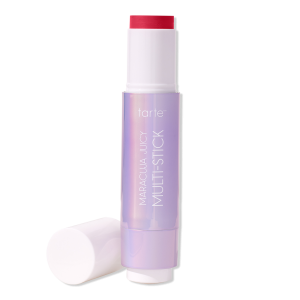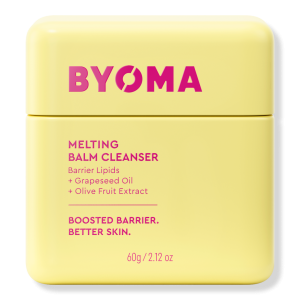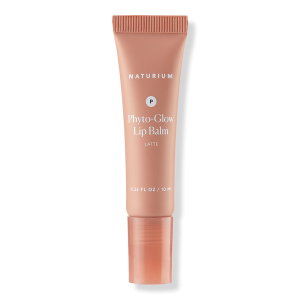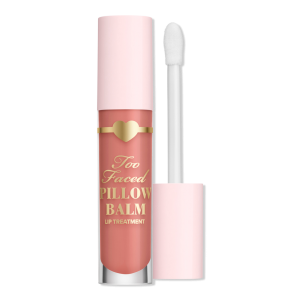
Synthetic Wax

Synthetic wax is an engineered blend of hydrocarbons or esters made to have a controlled melting point and texture. Sticks and balms use it to build structure, form flexible films, and improve glide without the variability of botanical waxes.
Like this ingredient?

Snapshot

Overview
An engineered wax that builds structure and helps balms glide on.
Category
Barrier Support, Skin Conditioning
Type
Occlusive

Ratings

Overall Rating

Good

Comedogenic Risk

Not rated

Not typically evaluated for comedogenicity — no standardized rating available.

Synthetic Wax in our database

Calculated from the 1,109 products we track · updated November 2026.

33 products contain it About 1 in 34 of the 1,109 products we track.
Top 5 spot on the label In the first five ingredients in 70% of products. Labels list ingredients from most to least, so it's usually a main ingredient.
$3–$45 price range

Most common in

Often paired with

Is Synthetic Wax a Good Ingredient?

It rates Good, as it reliably builds structure and flexible occlusion with consistent melt and texture, improving wear and glide. Some blends can feel heavy or overly occlusive on acne-prone skin, which is what tempers the rating below Great.

Skin Benefits

It creates a soft, flexible barrier that helps retain moisture and improves wear resilience, providing cushioned slip for a smoother, more even application without tackiness.

Uses in Skincare & Cosmetics

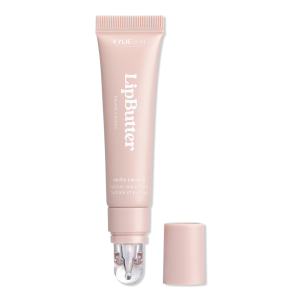
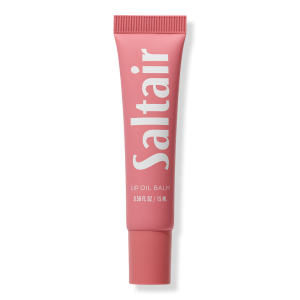
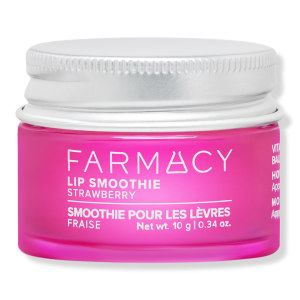
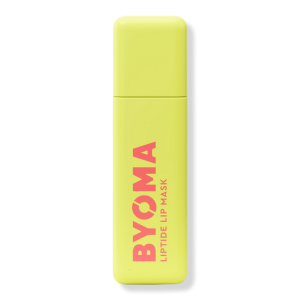
It's used in lip balms, stick foundations, mascaras, and pomades to build structure and form a durable film in sticks, balms, and creams.

Safety

It's typically low irritation and fragrance-free, with a minimal sensitization profile. Occlusive films may feel congesting for some users, so patch testing is reasonable for very breakout-prone skin. No common regulatory restrictions apply at standard cosmetic levels.