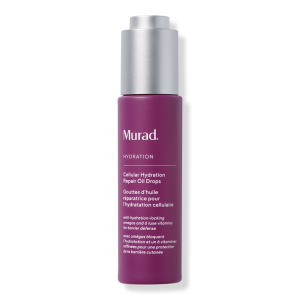
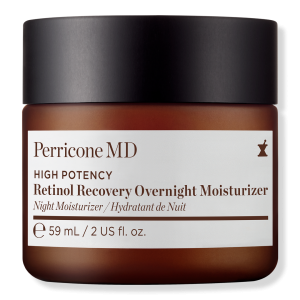
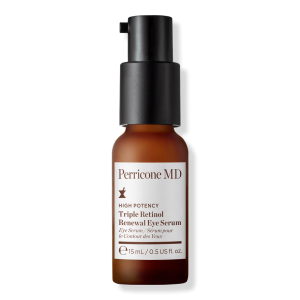
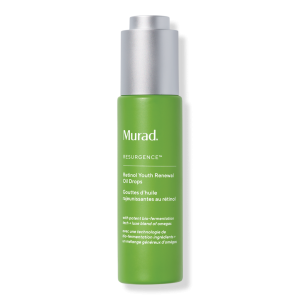
Retinyl Linoleate is an oil-soluble ester of retinol and linoleic acid used in topical cosmetics. It's added to serums and creams targeting smoother-looking texture and tone and a more refined appearance, though supporting evidence remains limited.
A mild vitamin A ester that softens rough patches and fine lines.
Category
Anti-aging, Tone/Texture
Type
Skin Conditioning
Ratings
Overall Rating
Fair
Comedogenic Risk
None
Not typically evaluated for comedogenicity — no standardized rating available.
Our take
Is Retinyl Linoleate a Good Ingredient?
Fair, because evidence for anti-aging benefits is modest and depends on conversion to retinoic acid, which appears less efficient than with retinol itself. It can still smooth texture for some users, but it carries the same irritation and photosensitivity risks as other retinoids without matching their track record.
What it does
Skin Benefits
May brighten a dull look and soften the feel of rough patches and fine lines with consistent use, though available research support is limited compared with stronger retinoids.
Where you'll find it
Uses in Skincare & Cosmetics
Included in night creams and oil-based serums aimed at smoothing uneven-feeling skin and supporting a more uniform-looking complexion.
Before you use it
Safety
May cause dryness, redness, and increased sun sensitivity; introduce gradually and use daily sunscreen. Not advised during pregnancy or when trying to conceive; seek medical guidance if breastfeeding. Some regions set concentration limits for vitamin A derivatives in leave-on products.