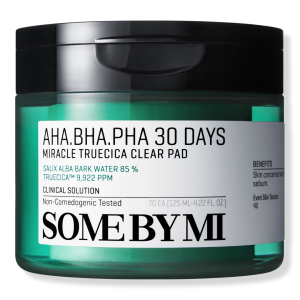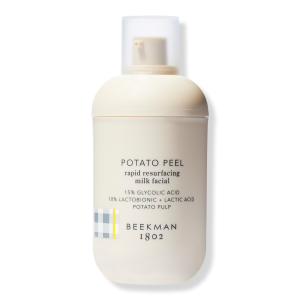
Snapshot
- Overview
- A gentle acid that exfoliates while drawing in moisture for glow.
- Category
- Exfoliating, Hydration, Antioxidant, Tone/Texture, Brightening
- Type
- Exfoliant
Our take
What it does
Where you'll find it
Before you use it
Learn more

There are really no dangers to report regarding lactobionic acid because this acid was developed as a less irritating alternative to AHAs. In fact, many people who have experienced reactions to products containing AHAs are often able to use products containing lactobionic acid without the same irritations.
It is recommended that lactobionic acid not be combined with other types of acids unless it’s part of a pre-tested mix of acids. In pre-tested mixtures, chemists have already tested the acids to ensure they won’t cause increased skin reactions. However, if you mix lactobionic acids with other acids yourself, you face the possibility of experiencing irritation of the skin because mixing multiple acids can increase your chances of experiencing annoying skin reactions.
This post may contain affiliate links. Read the full disclosure here
Another ingredient that you should refrain from using lactobionic acid with is retinol. Consumers might wrongly believe that they’re increasing their protection against aging, but the chemical reaction between these two ingredients can lead to extreme dryness, redness, and other types of irritation.
You should also only use products containing lactobionic acid once a day so as not to increase the chances of irritation. Retinol can be used with the same skin routine, but just not at the same time as lactobionic acid.
Find answers to some of the most frequently asked questions about lactobionic acid.