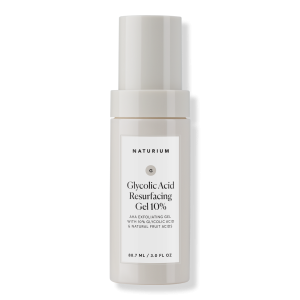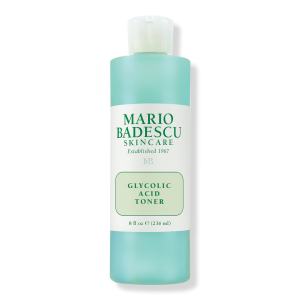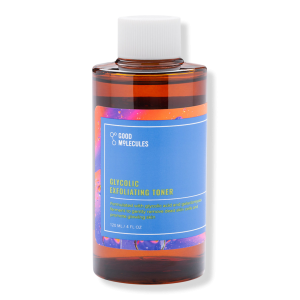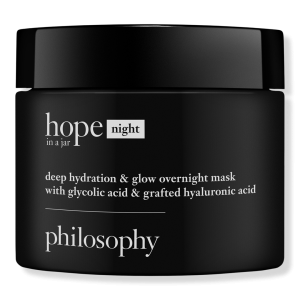
Glycolic Acid in Skincare

Glycolic Acid

5 sources

An alpha hydroxy acid from sugarcane, water-soluble and small in molecular size, with pH-dependent activity. It's used in leave-on or rinse-off exfoliants to loosen surface buildup, refine texture, and support a more even-looking tone.
Like this ingredient?

Snapshot

Overview
A sugarcane-derived acid that exfoliates for smoother, brighter skin.
Category
Exfoliating, Brightening, Tone/Texture, Acne, Anti-aging
Type
Exfoliant

Ratings

Overall Rating

Good

Comedogenic Risk

Not rated

Not typically evaluated for comedogenicity — no standardized rating available.

Glycolic Acid in our database

Calculated from the 1,109 products we track · updated November 2026.

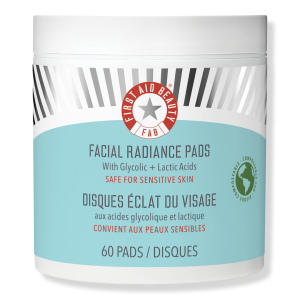
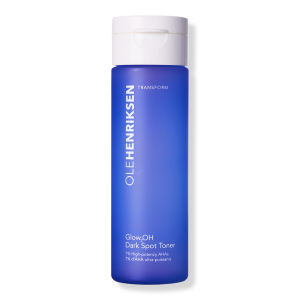
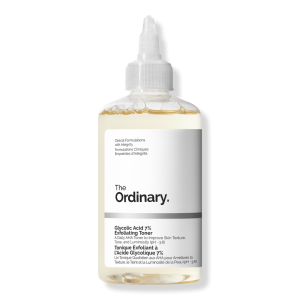
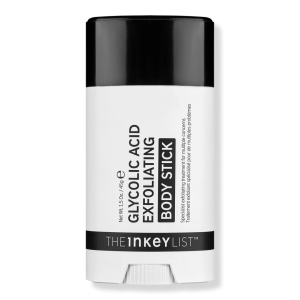
58 products contain it About 1 in 19 of the 1,109 products we track.
#6 typical spot on the label Usually near the top. Labels list ingredients from most to least, so it's often used in a meaningful amount.
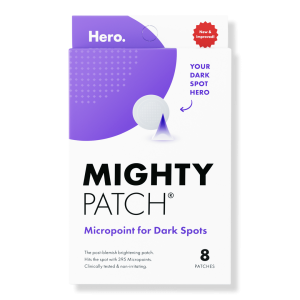
7–10% range brands disclose From the 3 products that list how much they use.
$6–$198 price range It shows up at every price point. You don't need to pay more to get it.

Most common in

Often paired with

Is Glycolic Acid a Good Ingredient?

It's Good because it's a well-studied AHA that genuinely smooths texture and brightens when used at effective, low-pH levels. Its small molecular size, though, increases sting potential and sun reactivity compared with some other acids, which is the tradeoff that keeps it from Great.
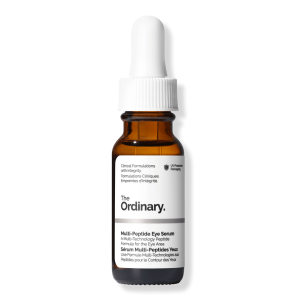
Skin Benefits

Promotes a smoother, brighter-looking complexion and softens the look of fine lines and rough patches. Helps unclog surface debris so pores appear more refined.

Uses in Skincare & Cosmetics

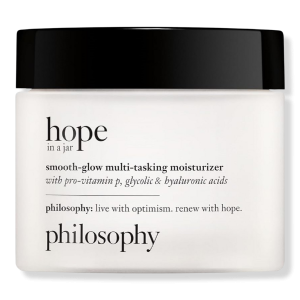
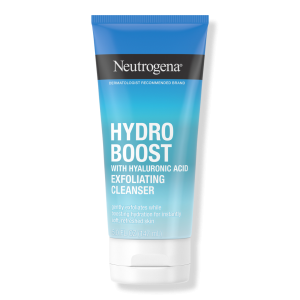
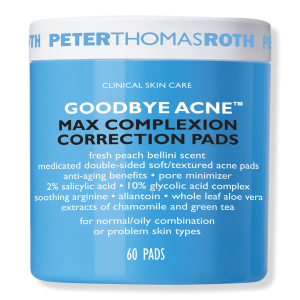
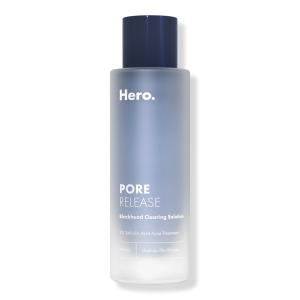
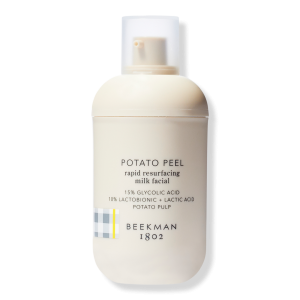
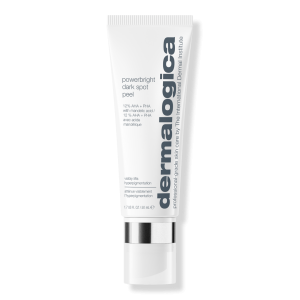
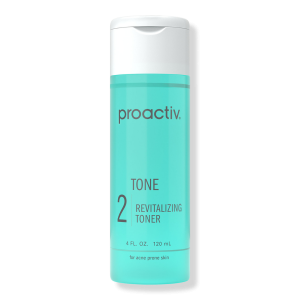
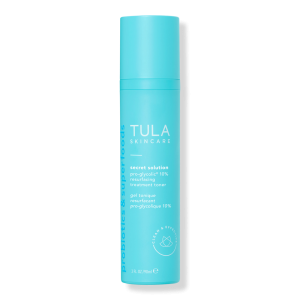
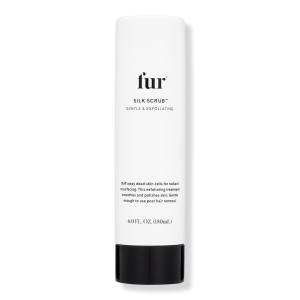
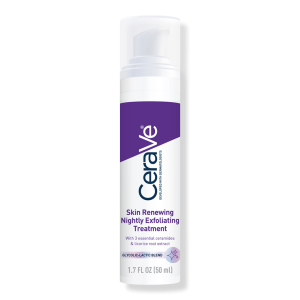
Frequently found in toners, serums, and at-home peels for nighttime resurfacing. Also used in exfoliating cleansers and body lotions for rough areas like elbows or KP-prone skin.

Safety

May cause tingling, redness, or dryness, especially at higher strengths or low pH. It can increase photosensitivity; use with daily sunscreen and consider nighttime application. Patch test and reduce frequency if irritation occurs.

Sources

  1. Alpha hydroxy acids U.S. Food & Drug Administration
  2. Guidance industry labeling cosmetics containing alpha hydroxy acids U.S. Food & Drug Administration
  3. Guidance for industry labeling for topically applied cosmetic products containing alpha hydroxy federalregister.gov
  4. PMID 22916351 PubMed
  5. PMID 39050562 PubMed