Glycine Soja (Soybean) Oil in Skincare

Glycine Soja (Soybean) Oil

Updated Reviewed by

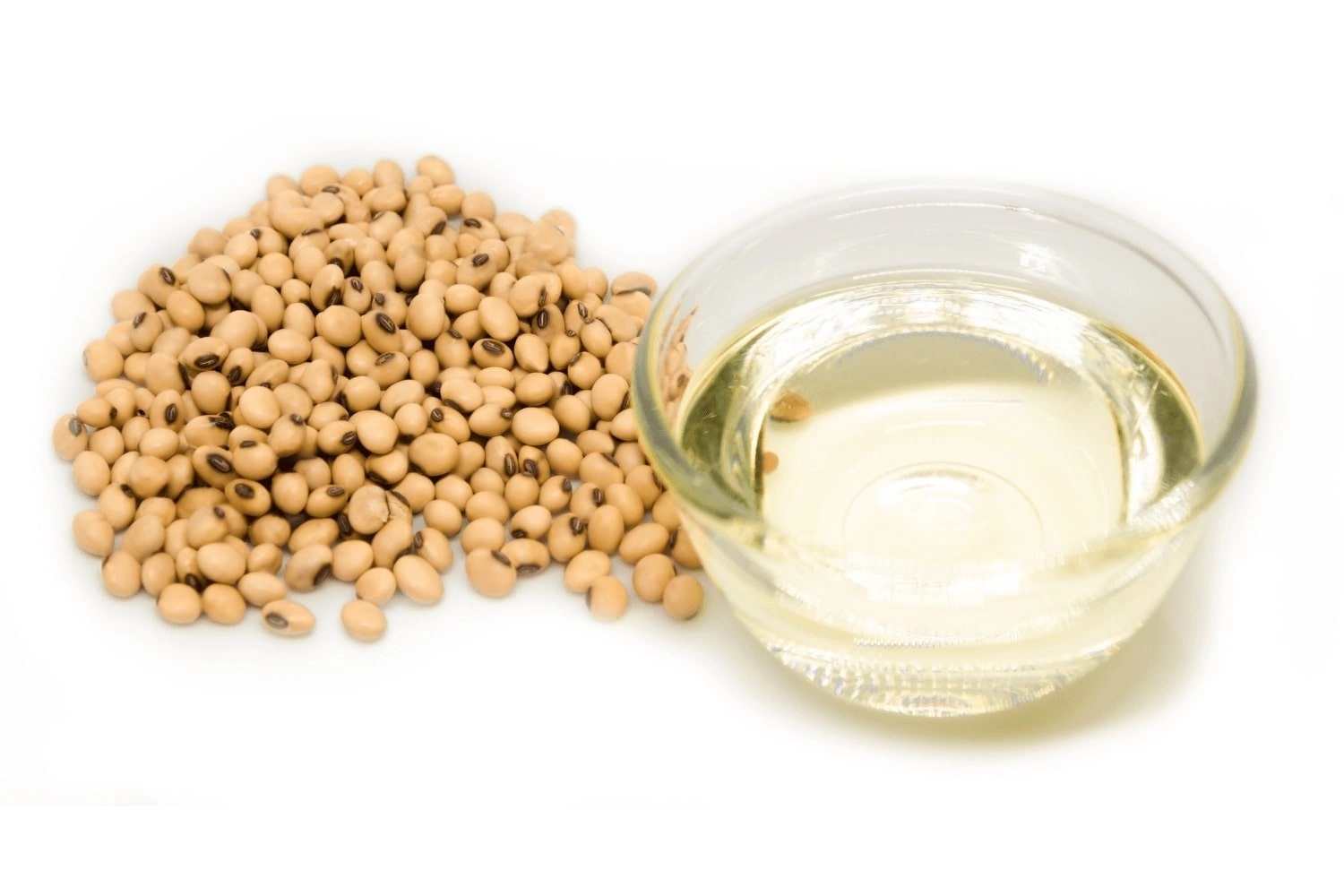
Glycine soja (soybean) oil is a plant-derived triglyceride oil pressed from soybeans. It is naturally rich in linoleic acid, oleic acid, and tocopherols. Soybean oil is a common ingredient that helps soften and smooth skin. It's heavier than squalane but lighter than shea butter.
Like this ingredient?

Snapshot

Overview
Soybean oil is a natural plant oil that helps soften and smooth skin.
Category
Barrier Support, Hydration, Skin Conditioning
Type
Emollient

Ratings

Overall Rating

Fair

Comedogenic Risk

Moderate

Moderate likelihood of clogging pores, especially for acne-prone skin.

Glycine Soja (Soybean) Oil in our database

Calculated from the 1,109 products we track · updated November 2026.

43 products contain it About 1 in 26 of the 1,109 products we track.
#19 typical spot on the label Usually further down the list, which typically means a smaller, supporting amount.
$10–$198 price range It shows up at every price point. You don't need to pay more to get it.

Most common in

Often paired with

Is Glycine Soja (Soybean) Oil a Good Ingredient?

It's Fair because, while it's an effective emollient and carrier with good sensory slip, but its heavier profile and higher congestion risk make it a real liability for oily or acne-prone skin. If you see soybean oil as a lead ingredient. it's a bigger factor for blemish-prone skin. If you break out easily, squalane or a lighter oil is a safer option.
Skin Benefits

It’s rich in fatty acids that help lock in moisture and soften skin. Soybean oil protects from daily stressors and supports a healthy skin barrier.

Uses in Skincare & Cosmetics

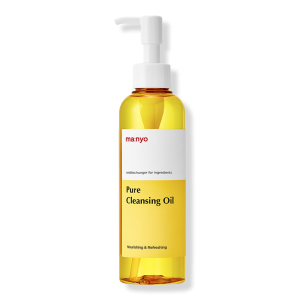
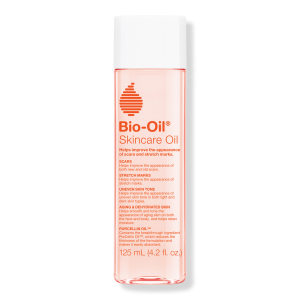
Found in face and body oils, and occlusive balms, and as a diluent in oil-based cleansers.

Safety

Generally safe for topical use; irritation is uncommon, though soy-sensitive users should patch test. Those prone to breakouts may notice clogged pores with heavier use. No common topical regulatory restrictions.