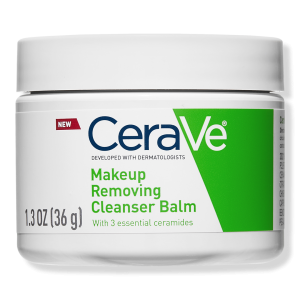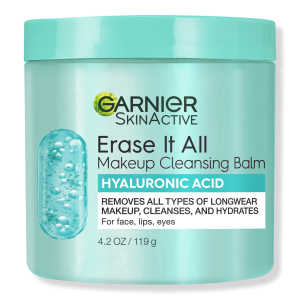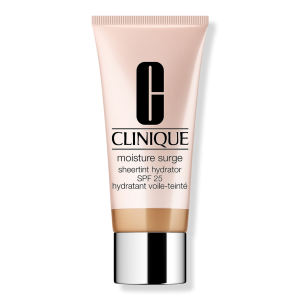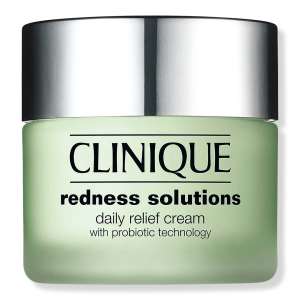
Polyethylene

Polyethylene is a synthetic polymer used in cosmetics as a film-former and texture aid. It creates a smooth, even finish, supports product stability, and can reduce tackiness while improving glide in creams, gels, and sticks.
Like this ingredient?

Snapshot

Overview
A texture-smoothing polymer that gives products an elegant finish.
Category
Skin Conditioning
Type
Film Former

Ratings

Overall Rating

Good

Comedogenic Risk

Not rated

Not typically evaluated for comedogenicity — no standardized rating available.

Polyethylene in our database

Calculated from the 1,109 products we track · updated November 2026.

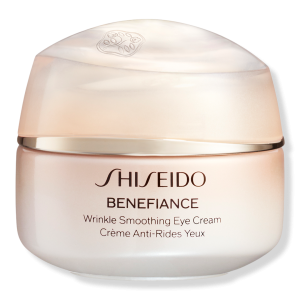
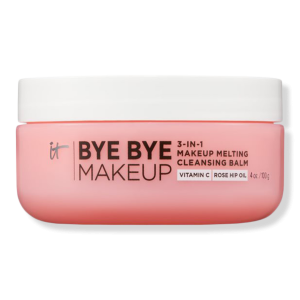
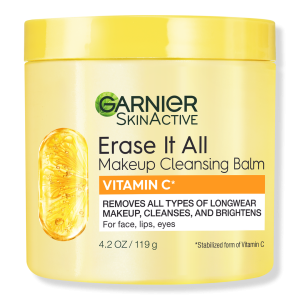
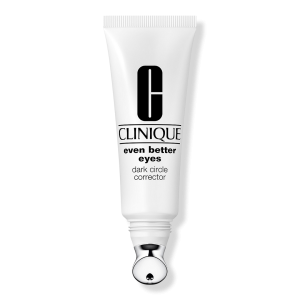
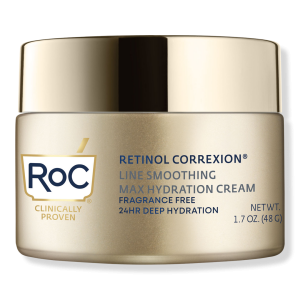
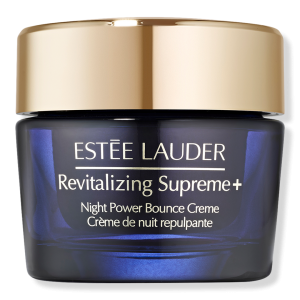
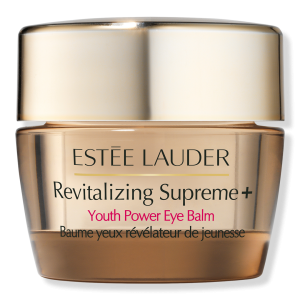
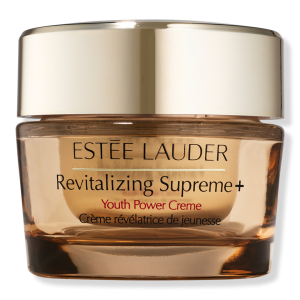
22 products contain it 2% of the 1,109 products we track, so it's a less common pick.
Top 5 spot on the label In the first five ingredients in 55% of products. Labels list ingredients from most to least, so it's usually a main ingredient.
$9–$135 price range It shows up at every price point. You don't need to pay more to get it.

Most common in

Often paired with

Is Polyethylene a Good Ingredient?

It's a stable, inert film-former that improves texture and wear with a low likelihood of irritation or reactivity, which is enough for a Good rating. Its performance benefits are well established in cosmetics, without major skin risks attached.

Skin Benefits

Creates a soft-focus finish and cushions texture, helping products feel less sticky and more elegant on the skin. Can also improve wear and payoff in color cosmetics.

Uses in Skincare & Cosmetics

Used in stick balms, pomades, and some sunscreens to add structure and reduce drag during application. Also appears in primers to refine the feel of the formula.

Safety

Generally regarded as low-irritation and suitable for most skin types. Some regions restrict solid plastic microbeads in rinse-off products, though this does not apply to all polyethylene forms. Discontinue use if any redness or discomfort occurs.