Oleic acid is a monounsaturated C18 fatty acid abundant in many oils, used in cosmetic formulas as an emollient. It's added to improve slip and modify texture in oils and creams; tolerance varies by skin type, and evidence for distinct outcomes is mixed.
A fatty acid that softens skin, though it can feel heavy for some.
Category
Skin Conditioning, Hydration
Type
Emollient
Ratings
Overall Rating
Fair
Comedogenic Risk
Low
Low likelihood of clogging pores, but may not suit all skin types.
Our take
Is Oleic Acid a Good Ingredient?
Rated Fair: it delivers rich emolliency, but evidence for distinct long-term skin benefits is mixed, and at higher concentrations it can disrupt the barrier and aggravate breakouts in acne-prone skin. It works better in balanced blends than as a primary lipid for everyone, which caps its rating.
What it does
Skin Benefits
Softens rough patches and leaves skin feeling cushioned and nourished, though some skin types may find it heavy. Evidence for unique skin-transforming effects is mixed.
Where you'll find it
Uses in Skincare & Cosmetics
Found in rich creams, body oils, and ointments to provide a silky application and a more emollient, occlusive finish.
Before you use it
Safety
Can be comedogenic for some and may increase irritation or permeability when used at higher concentrations. Acne-prone or compromised skin should patch test and use it sparingly.
Learn more
Oils High in Oleic Acid
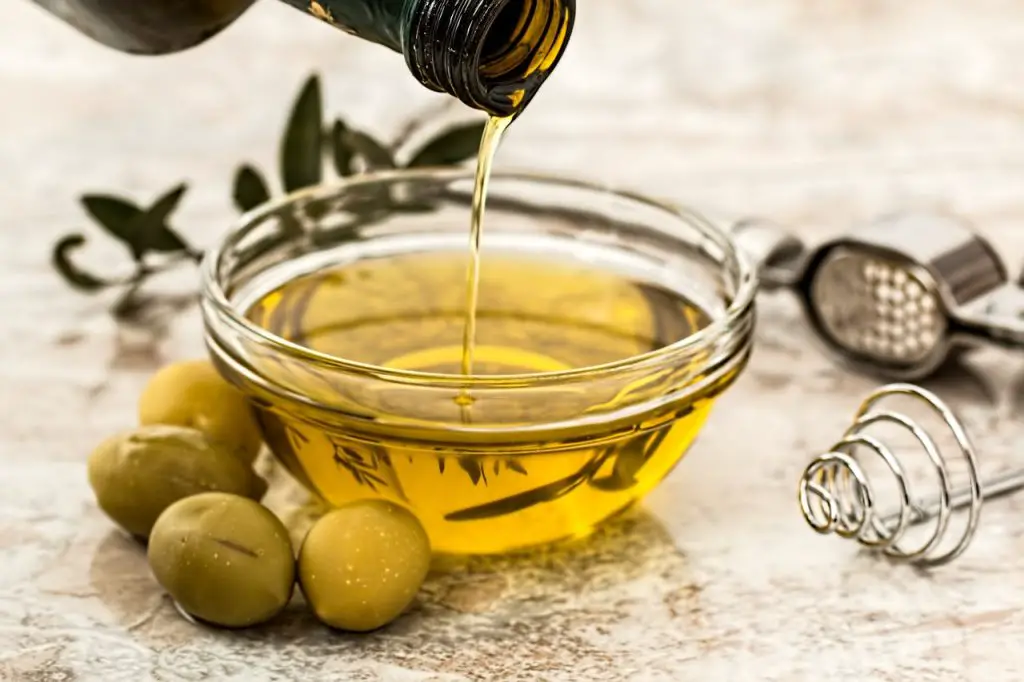
The best way to use oleic acid as part of your skincare routine is with a natural oil! It’s the perfect way to get the benefits of oleic acid while keeping the balance with other fatty acids such as linoleic acid. The following oils have the highest oleic acid content.
Sunflower – 70-88% oleic acid and 3-20% linoleic acid
Many of these are heavily promoted in rich, ultra-moisturizing creams. Their oleic acid content is one of the main reasons they offer deep moisturizing benefits. On the flip side, you probably won’t find acne treatment products promoting the natural oils above.
How Is It Used in Skincare Products?
Oleic acid, like many other ingredients, is often used for its direct skin benefits. But you’ll find this ingredient in skincare and cosmetic products for formulation benefits as well! It can act as a surfactant, texture enhancer, penetration enhancer, and emulsifier.
Surfactant (Cleansing Agent)
It can be used in products as a cleansing agent in face or body wash. It works by helping loosen dirt and oil from the skin so it can be easily washed away. Surfactants are really what makes cleansers, shampoos, and soaps effective at, well cleaning.
Cleansing oils are growing in popularity for their ability to clean the skin and leave the skin moisturized. Oleic acid is present in some of the cleansers, especially those using natural plant oil ingredients.
Texture Enhancer
Oleic acid is a thicker oil. These can be appealing to products that have a watery or low viscosity. It’s not the best option for this use alone, but it can act as a texture enhancer.
Emulsifier
This is a fancy way of saying that it helps various ingredient mix better. Water-based and oil-based ingredients don’t mix well naturally. That’s where emulsifying ingredients such as oleic acid come in. It helps products with various ingredients have a longer shelf life and reduce the chances of separation.
Penetration Enhancer
Oils high in oleic acid can penetrate the skin barrier. This benefit can help products be more effective. This is very helpful for anti-aging, nourishing, and hydrating ingredients. As noted above, this does pose risk for skin sensitivity or skin irritation.
Is Oleic Acid Safe for Skin?
Yes, oleic acid is considered safe to use in skincare and cosmetic products. As noted in the concerns above, take precaution if you have acne, clogged pores, or have sensitive skin prone to irritation.
According to the Cosmetic Ingredient Review Panel, oleic acid is safe to use in cosmetics for its recommended use. However, they found that it can lead to irritation. It is recommended that products with fatty acids such as oleic acid are formulated to be non-irritating and non-sensitizing.
Frequently Asked Questions
Find answers to some of the most frequently asked questions about oleic acid
Is oleic acid saturated or unsaturated?
Oleic acid is is a monounsaturated fatty acid. Monounsaturated fatty acids or MUFAs are a type of unsaturated fat.
Is oleic acid bad for skin?
By itself oleic acid is not great for the skin. In high concentrations it can disrupt the skin barrier leading to irritation or sensitivity. However, when balanced with other fatty acids oleic acid helps nourish, hydrate, fight the signs of aging, and help other ingredients absorb into the skin.
Some great plant oils high in oleic acid include apricot kernel oil, argan oil, and marula oil.
This post may contain affiliate links. Read the full disclosure here
Does oleic acid clog pores?
Most oils rich in oleic acid have a comedogenic rating of 2-4, meaning they can clog pores. Skin with acne-prone skin generally has a higher concentration of oleic acid in the skin. It’s best to avoid ingredients rich in oleic acid with acne or concerns of clogged pores.
Opt for more balanced plant oils that have a lower percentage of oleic acid.
Is oleic acid an essential or nonessential fatty acid?
Oleic acid is a nonessential fatty acid. The body naturally produces oleic acid so it’s known as nonessential fatty acid. However, essential fatty acids must be obtained from food.
Is oleic acid an emulsifying agent?
Oleic acid is an effective emulsifying agent. It can help various ingredients mix better and reduce separation over time. This emulsifying benefits can help increase product shelf life.
Using Oleic Acid in Your Skincare Routine
Overall, oleic acid makes for a great addition (or part) of your skincare routine. While you wouldn’t want to find a pure oleic acid serum (they don’t exist), it can make for a valuable part of your routine.
Many of the oils listed above are fantastic for the skin, especially if you have dry or aging skin. However, if you struggle with acne or oily skin you’ll want to look for natural oils or ingredients that have a lower oleic acid content. In other words, you don’t need to worry about oleic acid too much when it comes to choosing the right skin care product. Instead focus on the particular oil or other ingredients that are included in the product.
By taking this holistic approach you do a better job choosing the perfect product for your skin. Learn more about how oleic acid compares to linoleic acid here.
Sources