This silicone crosspolymer of lauryl dimethicone and polyglycerin-3 forms flexible, gel-like networks in formulas. It's used to boost slip, stabilize emulsions, and create a smooth, diffused finish in skincare and makeup.
A silicone polymer that blurs pores and leaves a soft, smooth finish.
Category
Emulsifying, Skin Conditioning, Tone/Texture
Type
Film Former
Ratings
Overall Rating
Good
Comedogenic Risk
None
Considered non-comedogenic, with little to no likelihood of clogging pores.
Our take
Is Lauryl Dimethicone/Polyglycerin-3 Crosspolymer a Good Ingredient?
Rated Good because it provides excellent slip, soft-focus blurring, and emulsion stability, with a low irritation profile. It stays at Good rather than Great because it mainly improves texture and wear instead of delivering direct skin-correcting benefits.
What it does
Skin Benefits
Creates a velvety, pore-blurring effect that helps makeup look smoother and last longer. Leaves skin feeling soft without a greasy residue.
Where you'll find it
Uses in Skincare & Cosmetics
Often included in primers, foundations, and tinted moisturizers to refine texture and improve glide. It also appears in lightweight gels and serums to impart a diffused, silky feel.
Before you use it
Safety
Generally considered low risk for irritation due to its large, inert silicone network and minimal skin penetration. Not known to be photosensitizing, and no specific regulatory restrictions are typical. Remove with a cleanser to avoid buildup.
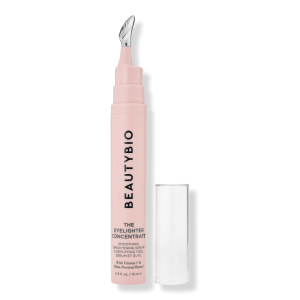
Products with Lauryl Dimethicone/Polyglycerin-3 Crosspolymer