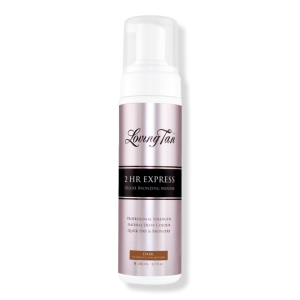
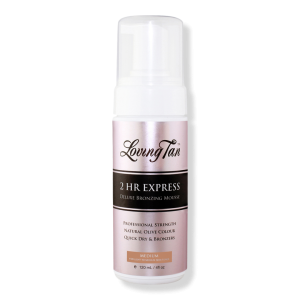
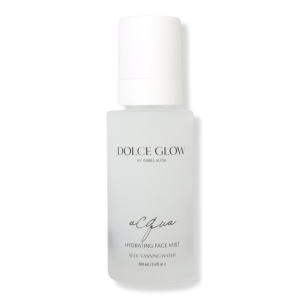
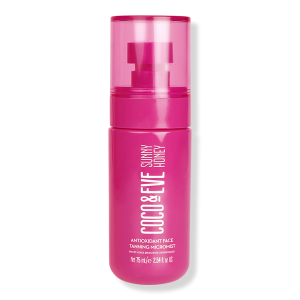
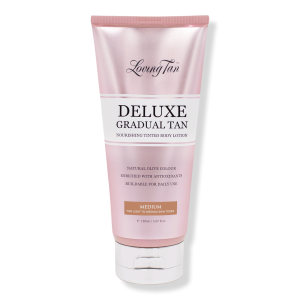
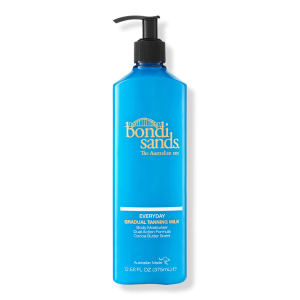
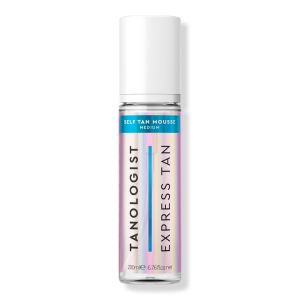
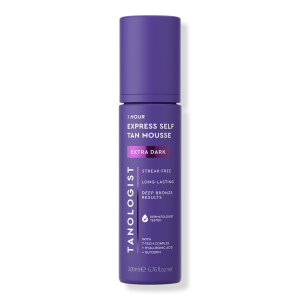
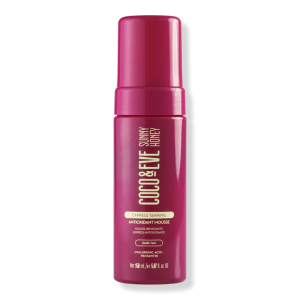
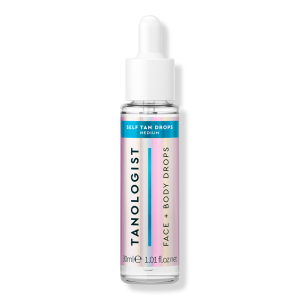
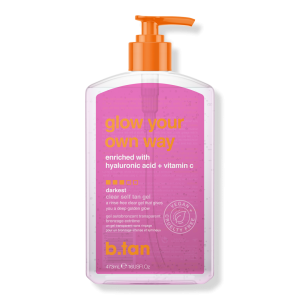
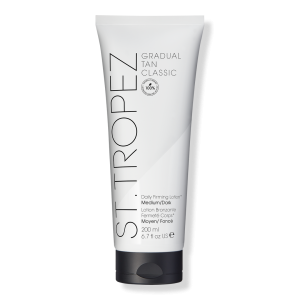
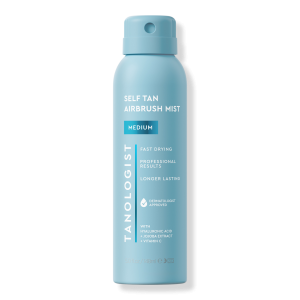
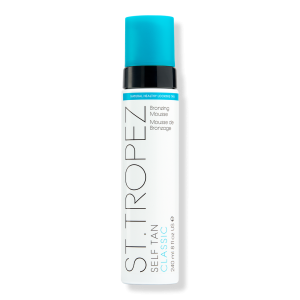
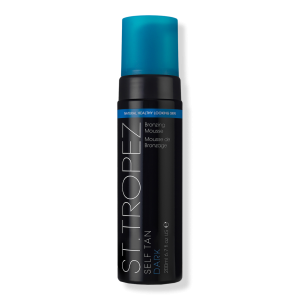
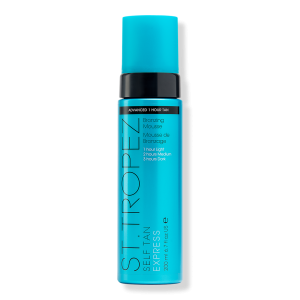
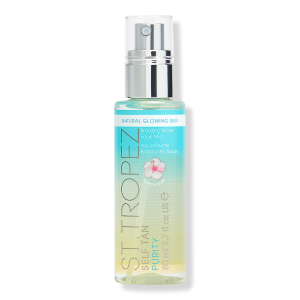
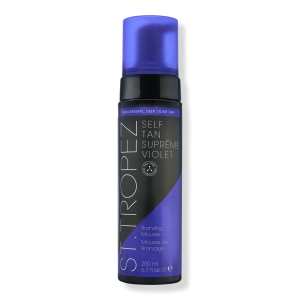
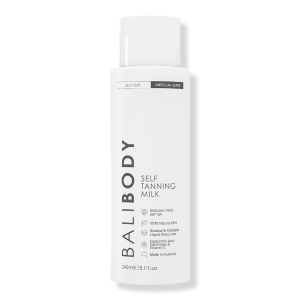
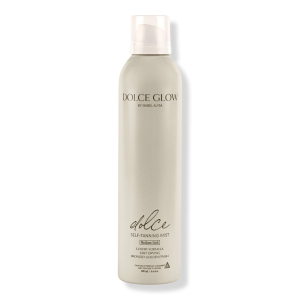
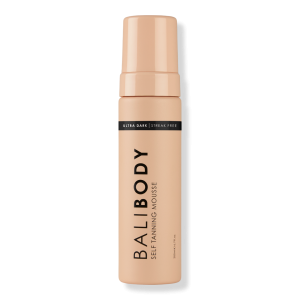
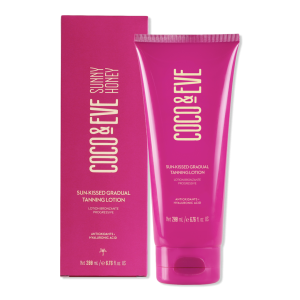
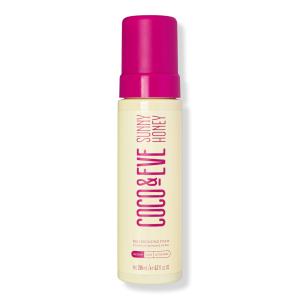
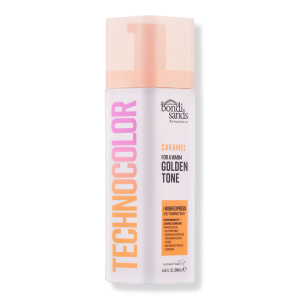
Dihydroxyacetone is a simple carbohydrate derivative and cosmetic colorant known as the key self-tanning agent. It produces a temporary surface tan in sunless tanners and tinted lotions, and formulators manage its irritation risk.
The active ingredient in self-tanners that develops a temporary tan.
Category
Color
Type
Colorant
Ratings
Overall Rating
Good
Comedogenic Risk
None
Not typically evaluated for comedogenicity — no standardized rating available.
Our take
Is Dihydroxyacetone a Good Ingredient?
Good rating because it reliably produces a temporary surface tan via reaction with skin proteins and is well-established in cosmetics. However, it can sting or irritate, especially on compromised skin or near eyes, so careful use is needed.
What it does
Skin Benefits
Develops a temporary bronze tone without sun exposure, helping skin look more tanned. Color gradually fades with natural exfoliation, allowing adjustable depth through reapplication.
Where you'll find it
Uses in Skincare & Cosmetics
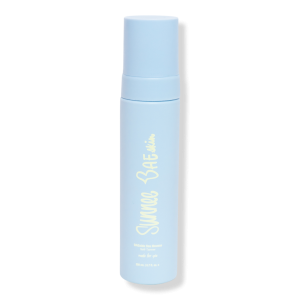
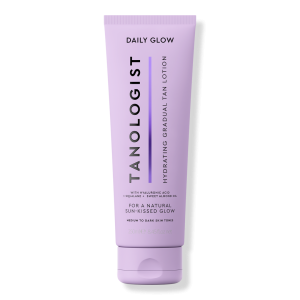
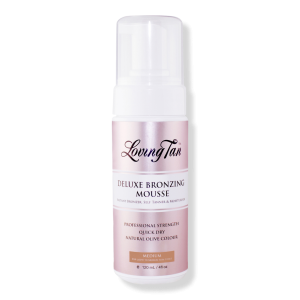
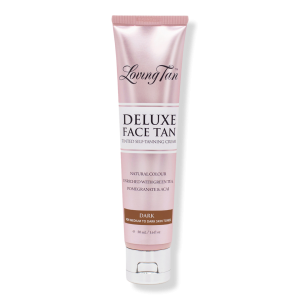
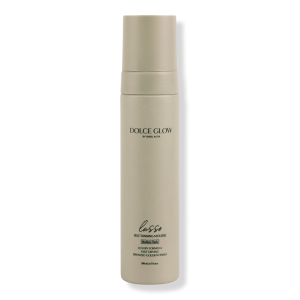
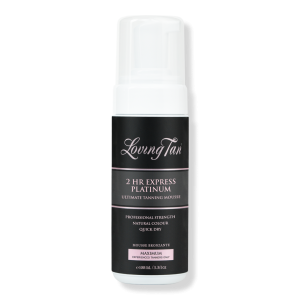
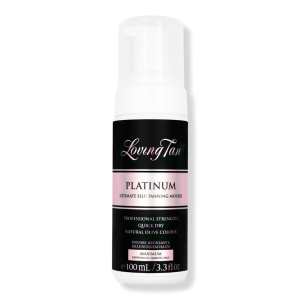
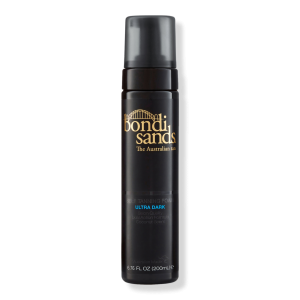
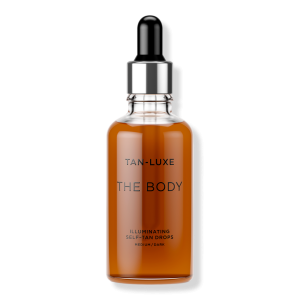
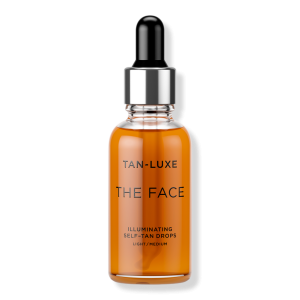
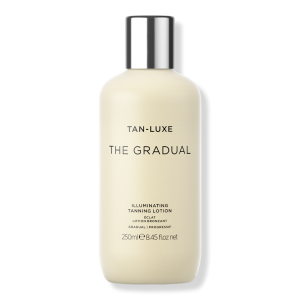
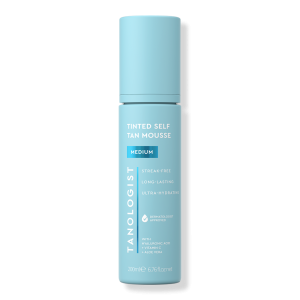
Used in autobronzing lotions, mousses, and sprays for body application. Also featured in facial tanning drops and gradual-tan moisturizers for buildable color.
Before you use it
Safety
Carries an irritation risk and may cause stinging, dryness, or transient redness; avoid use on broken skin and around eyes, and patch test if sensitive. Can stain fabrics and has a characteristic odor but these are not safety hazards; use in well-ventilated areas for sprays.