This crosslinked copolymer of ammonium acryloyldimethyltaurate and steareth-25 methacrylate works as a rheology modifier in cosmetics. It's chosen to build viscosity, stabilize oil-in-water emulsions, and create a smooth, flexible film.
Gives formulas a cushioned glide and a light, flexible finish.
Category
Emulsifying, Tone/Texture
Type
Rheology Modifier
Ratings
Overall Rating
Great
Comedogenic Risk
None
Not typically evaluated for comedogenicity — no standardized rating available.
Our take
Is Ammonium Acryloyldimethyltaurate/Steareth-25 Methacrylate Crosspolymer a Good Ingredient?
This rates Great: A highly stable, versatile rheology modifier that reliably builds viscosity and forms a flexible film across a wide pH range with good salt tolerance. Typically low in irritation at normal use levels, supporting elegant texture without compromising skin comfort.
What it does
Skin Benefits
Gives formulas a cushioned glide and helps keep mixed phases uniform for a more elegant feel. Forms an invisible, flexible layer that helps products stay in place without heaviness.
Where you'll find it
Uses in Skincare & Cosmetics
Often found in gels, serums, and lightweight creams where a silky, non-drippy texture is desired. Also used in sunscreens and primers to improve spreadability and hold.
Before you use it
Safety
Generally low irritation potential at cosmetic levels; mild, transient stinging is possible on very sensitive or compromised skin. Contains a PEG-derived component (steareth-25), which is widely used in cosmetics and not expected to increase irritation under normal conditions.
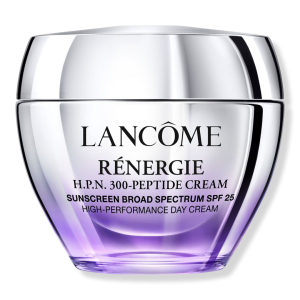
Products with Ammonium Acryloyldimethyltaurate/Steareth-25 Methacrylate Crosspolymer