Algin in Skincare

Algin

Updated Reviewed by

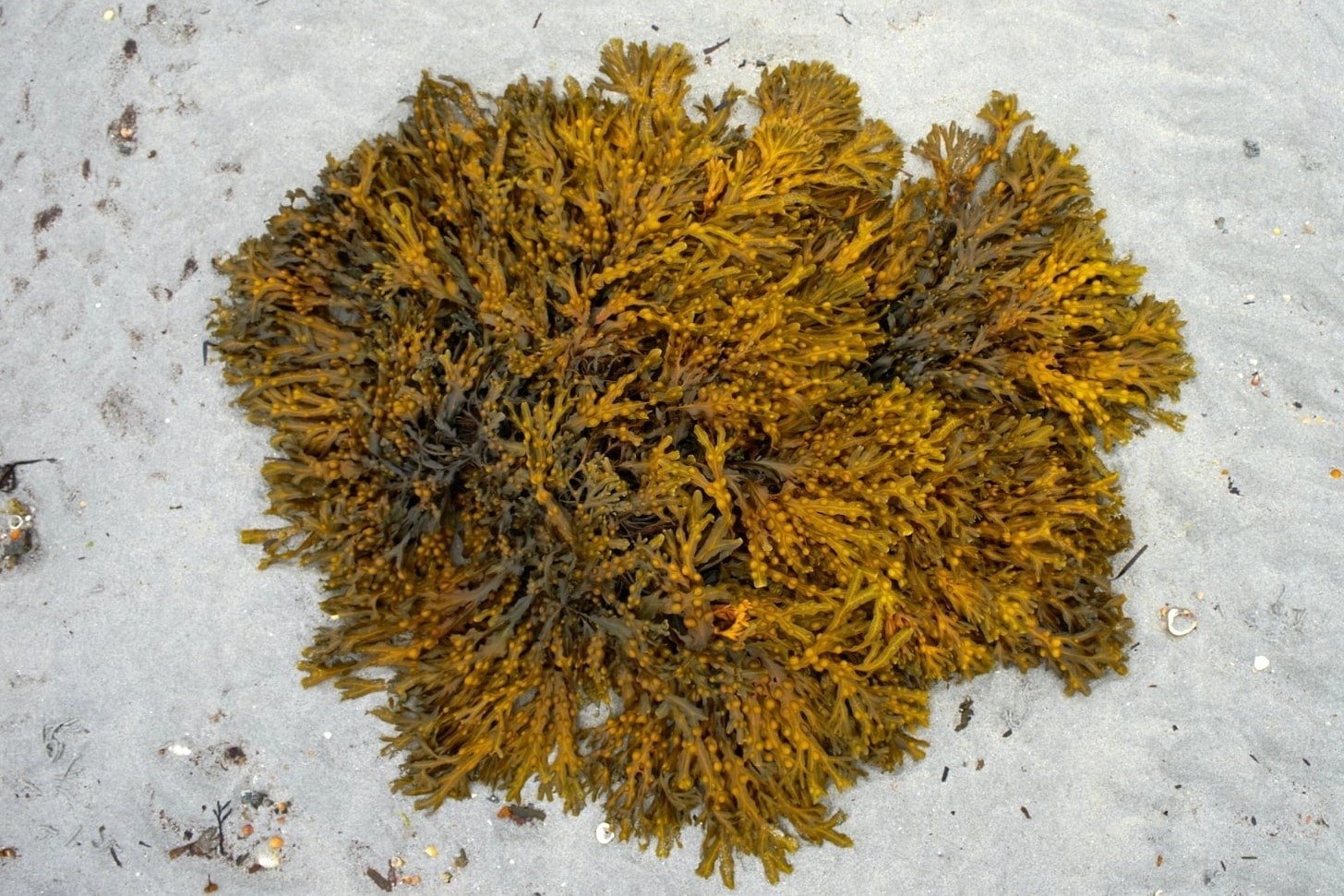
Algin is a natural polysaccharide from brown seaweed, commonly used as sodium alginate in cosmetic formulations. It thickens and stabilizes water-based systems while forming a flexible film that improves glide and moisture-holding feel.
Like this ingredient?

Snapshot

Overview
A seaweed derivative that helps thicken formulas and hold in moisture.
Category
Skin Conditioning
Type
Thickener

Ratings

Overall Rating

Good

Comedogenic Risk

Not rated

Not typically evaluated for comedogenicity — no standardized rating available.

Algin in our database

Calculated from the 1,109 products we track · updated November 2026.

18 products contain it 2% of the 1,109 products we track, so it's a less common pick.
#21 typical spot on the label Usually further down the list, which typically means a smaller, supporting amount.
$4–$95 price range It shows up at every price point. You don't need to pay more to get it.

Most common in

Often paired with

Is Algin a Good Ingredient?

Rated Good: a dependable seaweed polysaccharide that improves slip and creates a lightweight film to help retain surface moisture, with a long record of low irritation. It supports texture and feel rather than delivering active treatment effects.

Skin Benefits

Creates a breathable veil that helps hold water on the skin for a plumper, softer feel. Can reduce the sensation of dryness by minimizing transepidermal water loss on the surface.

Uses in Skincare & Cosmetics

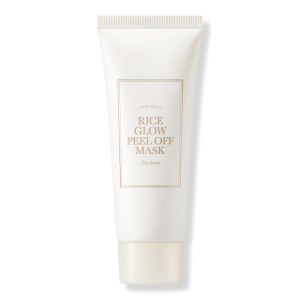
Used in peel-off masks, gel serums, and lotions to add body and improve spread. Also found in hand creams and after-sun gels for a smooth application experience.

Safety

Low likelihood of irritation; higher levels may feel tightening or leave a slight residue. Rare sensitivities can occur, so patch test if your skin is easily reactive.