Aesculus Hippocastanum (Horse Chestnut) Seed Extract

Updated Reviewed by

Aesculus hippocastanum (horse chestnut) seed extract is a botanical containing saponins like aescin along with flavonoids. Skincare uses it for antioxidant support and conditioning aesthetics, though the evidence is modest and some people react to it.
Like this ingredient?

Snapshot

Overview
Horse chestnut extract that eases redness and puffiness.
Category
Soothing, Antioxidant, Skin Conditioning
Type
Botanical Extract

Ratings

Overall Rating

Fair

Comedogenic Risk

Not rated

Not typically evaluated for comedogenicity — no standardized rating available.

Aesculus Hippocastanum (Horse Chestnut) Seed Extract in our database

Calculated from the 1,109 products we track · updated November 2026.

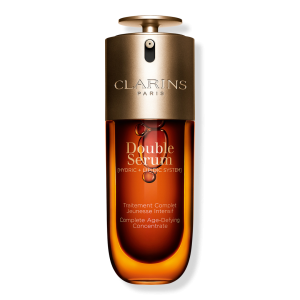
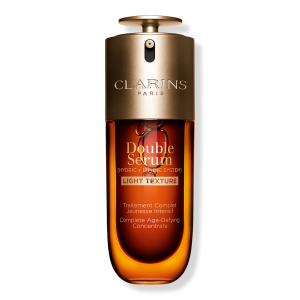
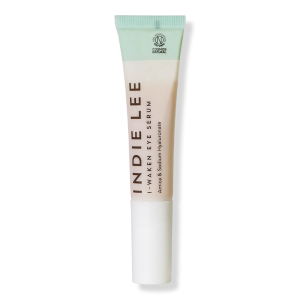
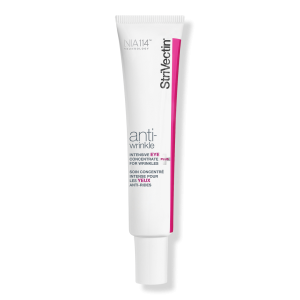
6 products contain it Under 1% of the 1,109 products we track, so it's a less common pick.
#19 typical spot on the label Usually further down the list, which typically means a smaller, supporting amount.
$26–$135 price range

Most common in

Often paired with

Is Aesculus Hippocastanum (Horse Chestnut) Seed Extract a Good Ingredient?

Fair: traditional use and small studies suggest antioxidant/vasotonic effects from aescin, but strong topical clinical data are limited; saponins can provoke stinging in reactive skin.

Skin Benefits

May lessen the look of redness and puffiness while helping skin feel more resilient. Offers defensive support against environmental stressors; evidence is modest and may not suit very sensitive users.

Uses in Skincare & Cosmetics

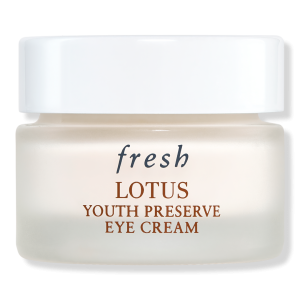
Found in serums, eye creams, and lightweight moisturizers aimed at calming the appearance of stressed areas and the under-eye zone.

Safety

Irritation or redness can occur, especially in sensitive types; patch test first. No widely established cosmetic-use restrictions for typical extract levels.